Reel Layout Shifts Mirror Player Preferences in Mobile Casino Platforms
Nils Vogel · Nov 14, 2026
Reel Layout Shifts Mirror Player Preferences in Mobile Casino Platforms
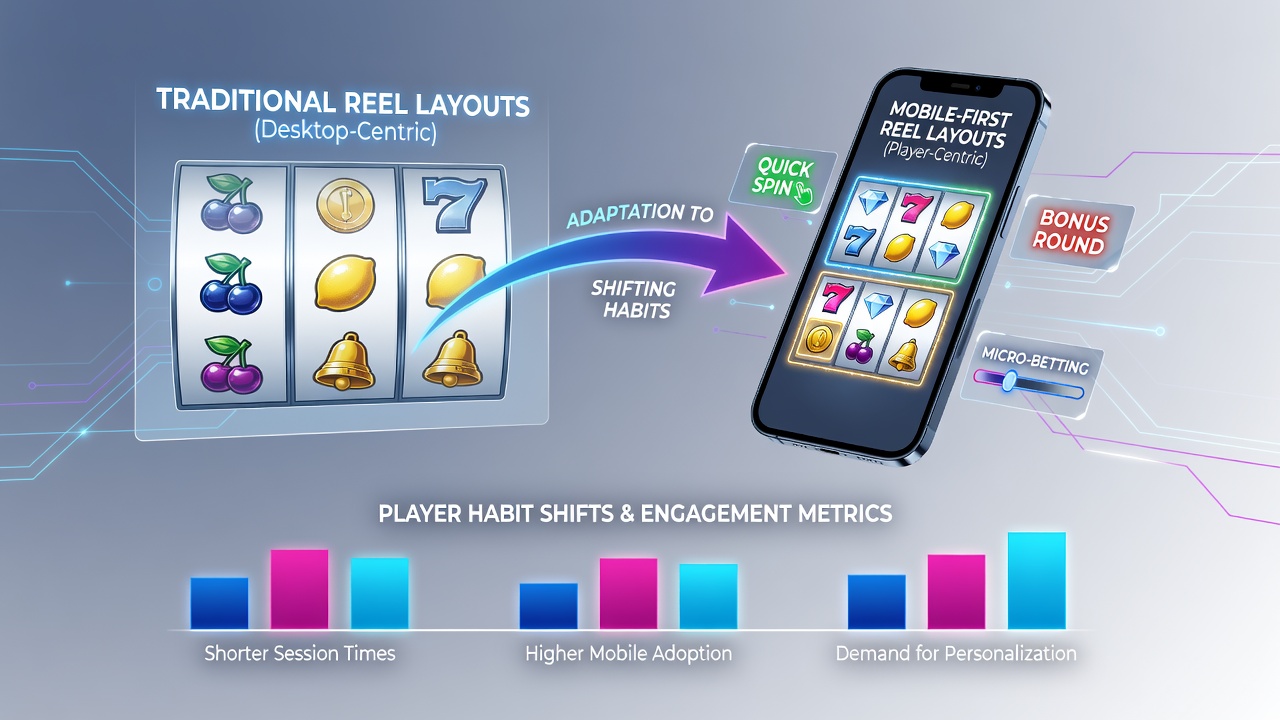
Player habits in mobile casino environments have moved toward shorter sessions and vertical screen interactions since the mid-2020s, prompting providers to redesign reel structures accordingly. Data from industry reports indicate that sessions lasting under five minutes now account for over 60 percent of mobile slot activity in several markets, which drives developers to compress reel heights while expanding symbol widths to maintain visibility on smaller displays. These adjustments appear in titles released throughout 2025 and into November 2026, where traditional five-reel grids give way to formats that prioritize thumb-friendly touch zones and reduce the need for horizontal scrolling.
Changing Interaction Patterns Drive Layout Redesigns
Research from the American Gaming Association shows mobile users favor one-handed play during commutes or breaks, leading studios to adopt taller, narrower reel columns that fit portrait orientation without sacrificing reel count. Observers note that symbols have grown larger on average, with many providers scaling icon sizes by 20 to 30 percent compared to desktop versions to accommodate finger taps rather than mouse clicks. This shift coincides with increased use of swipe gestures for spin initiation, so reel animations incorporate smoother vertical transitions that align with natural hand movements instead of abrupt horizontal spins.
Figures from the Australian Gambling Research Centre reveal that touch-optimized layouts correlate with a 15 percent rise in repeat session rates among players aged 25 to 34. Developers respond by testing variable reel heights within single games, where base play uses a compact four-reel setup that expands to five or six reels during bonus rounds triggered by specific symbol combinations. Such flexibility keeps core mechanics intact while matching the fragmented attention spans documented in mobile usage logs.
Technical Adjustments in Symbol Placement and Spacing
Engineers at major studios have recalibrated payline mappings to emphasize center-screen visibility, since studies indicate users focus longest on the middle third of their device displays. Reel layouts now cluster high-value symbols toward these zones, while lower-tier icons occupy peripheral positions that still register during quick glances. Spacing between reels has tightened in many new releases, yet gaps remain wide enough to prevent accidental multi-symbol selections on capacitive screens.
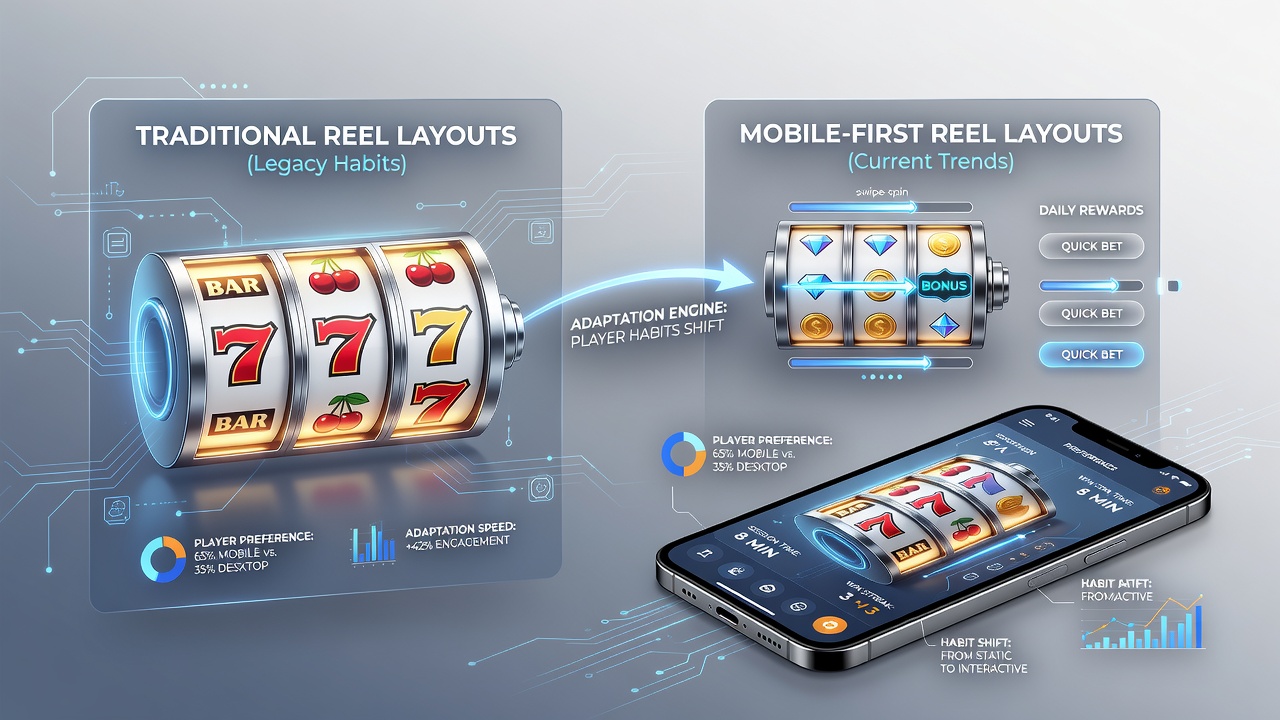
Dynamic resizing features allow individual reels to stretch or contract based on game state, a mechanic first widely deployed in late 2025 updates. According to data compiled by the University of Sydney's Gambling Research Centre, these adaptive grids increase feature engagement by aligning visual emphasis with player dwell times tracked through heat-mapping software. Providers integrate the changes without altering underlying random number generators, preserving regulatory compliance across jurisdictions that monitor fair play standards.
Regional Variations in Mobile Reel Standards
European markets have seen faster adoption of vertically stacked reels compared to North American counterparts, partly because device usage patterns differ by region. Canadian provincial reports highlight that vertical formats now dominate 70 percent of new mobile slot approvals, while U.S. state regulators continue evaluating hybrid layouts that toggle between orientations. Providers therefore maintain multiple reel configurations within single codebases, switching automatically based on detected screen aspect ratios and user settings.
November 2026 updates from several leading developers introduced reel compression tools that let players manually adjust column width within preset limits, responding to feedback gathered through in-app surveys. These tools maintain fixed reel counts but alter symbol scaling, which data indicates improves accessibility for users with varying hand sizes and dexterity levels. The approach avoids hardware-specific redesigns while addressing the broad spectrum of smartphone models prevalent in current markets.
Integration with Bonus Mechanics and Retention Features
Reel adaptations extend into bonus structures, where expanding wilds or cascading symbols now trigger along vertical axes more frequently than before. This alignment matches observed player tendencies to track falling symbols downward rather than across rows, a pattern confirmed in eye-tracking analyses shared at industry conferences. Retention metrics collected by platform operators show that such vertically oriented bonuses sustain engagement longer than equivalent horizontal sequences in the same titles.
Stake limit adjustments implemented across multiple territories have further influenced layout decisions, as lower maximum bets per spin encourage extended play sessions that reward visual variety. Reel layouts incorporate subtle animation loops within symbols to maintain interest during these prolonged spins, yet keep motion restrained enough to avoid battery drain on mobile devices. Providers balance these elements through iterative testing cycles that analyze session length against hardware performance data.
Conclusion
Reel layout modifications in mobile-first casino offerings continue to track documented shifts in player behavior through measurable design changes rather than speculative trends. Vertical optimization, dynamic resizing, and symbol scaling adjustments reflect aggregated usage statistics from diverse regulatory environments and academic sources. As device capabilities advance and session data accumulates through November 2026 and beyond, further refinements to reel configurations are expected to follow the same evidence-based pattern.